
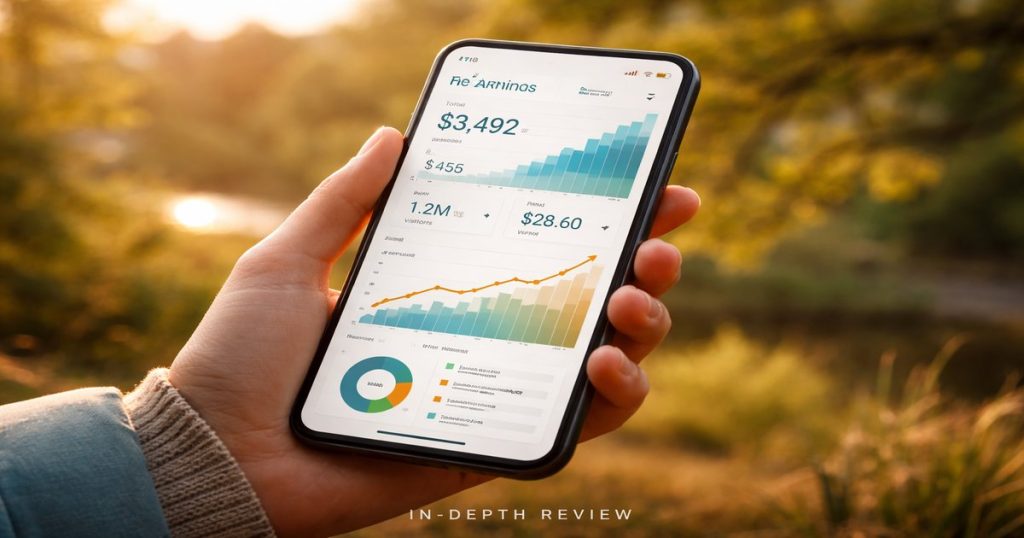
Welcome to the world of mobile web traffic monetization! As you delve into this realm, you’ll discover how to effectively turn your mobile web visitors into a revenue stream. While the journey might seem complex at first, with some foundational knowledge, you’ll be well on your way to mastering the art of monetizing mobile traffic.
The Basics
At its core, mobile web traffic monetization involves transforming the visits to your mobile website into real revenue. This process typically leverages programmatic advertising, which uses real-time bidding (RTB) to auction ad spaces to advertisers targeting mobile users. The proliferation of smartphones has made mobile traffic a lucrative target for advertisers, leading to higher CPMs (cost per thousand impressions) compared to desktop. To start monetizing, you’ll need an understanding of how demand-side platforms (DSPs) work with supply-side platforms (SSPs) to serve relevant ads to users. Moreover, user experience remains crucial; poorly optimized ads can lead to high bounce rates and loss of potential earnings. Tools like Google Ad Manager can aid in setting up and optimizing your ad inventory, ensuring you strike the right balance between ad revenue and user satisfaction.
- Analyze Your Traffic: Use tools like Google Analytics to understand your mobile audience. Identify peak times, geography, and user behavior to tailor your monetization strategy.
- Choose an Ad Network: Start with a reputable ad network such as AdMob or Facebook Audience Network to fill your inventory with relevant ads. These platforms connect you with advertisers who are already bidding on mobile impressions.
- Implement Ad Tags: Place ad tags on your mobile site where you want ads to appear. Ensure these are responsive to fit various mobile screen sizes seamlessly.
- Optimize for Speed: Mobile users are impatient with slow websites. Implement AMP (Accelerated Mobile Pages) to enhance loading times and user experience, leading to better engagement and ad viewability.
- Experiment and A/B Test: Regularly test different ad formats and placements. Compare performance using A/B testing to find the optimal configuration that maximizes revenue without degrading user experience.
- Monitor and Adjust: Use real-time dashboards to monitor performance metrics like click-through rates (CTR) and fill rates. Adjust ad placements and formats based on data insights to continually refine your approach.
Terms You’ll Hear
| CPM | Cost Per Mille, the price advertisers pay for one thousand views or impressions of an ad. |
| RTB | Real-Time Bidding, an automated process by which ad inventory is bought and sold on a per-impression basis. |
| DSP | Demand-Side Platform, a system that allows buyers to manage multiple ad exchange and data exchange accounts through one interface. |
| SSP | Supply-Side Platform, a technology platform to enable web publishers to manage their advertising space inventory, fill it with ads, and receive revenue. |
| Fill Rate | The percentage of ad requests that are successfully filled with an ad, calculated as (filled impressions/ad requests) * 100. |
| Viewability | A metric that tracks the percentage of ads that are actually viewed by users, ensuring advertisers get value for their spend. |

Where to Go From Here
Once you’ve mastered the basics of mobile web traffic monetization, consider deepening your understanding by exploring advanced topics such as header bidding and incorporating machine learning algorithms to optimize ad performance. Joining industry forums and attending webinars can keep you updated on the latest trends and technological advancements. Additionally, experimenting with various ad networks and formats will help you identify what works best for your specific audience, enhancing both your revenue and user experience over time.
How can I ensure my mobile site remains user-friendly with ads?
Focus on non-intrusive ad formats and ensure ads are responsive. Prioritize speed and usability by keeping ad scripts light and using lazy loading techniques to prevent performance degradation.
What’s the best way to measure the success of my monetization efforts?
Evaluate key performance indicators (KPIs) like CPM, fill rate, CTR, and overall revenue. Use A/B testing to continuously refine ad placements and formats for optimal results.
Are there privacy concerns I need to be aware of?
Yes, comply with regulations like GDPR and CCPA by providing clear privacy policies and obtaining user consent for data tracking. Implement Consent Management Platforms (CMPs) to manage user permissions effectively.