
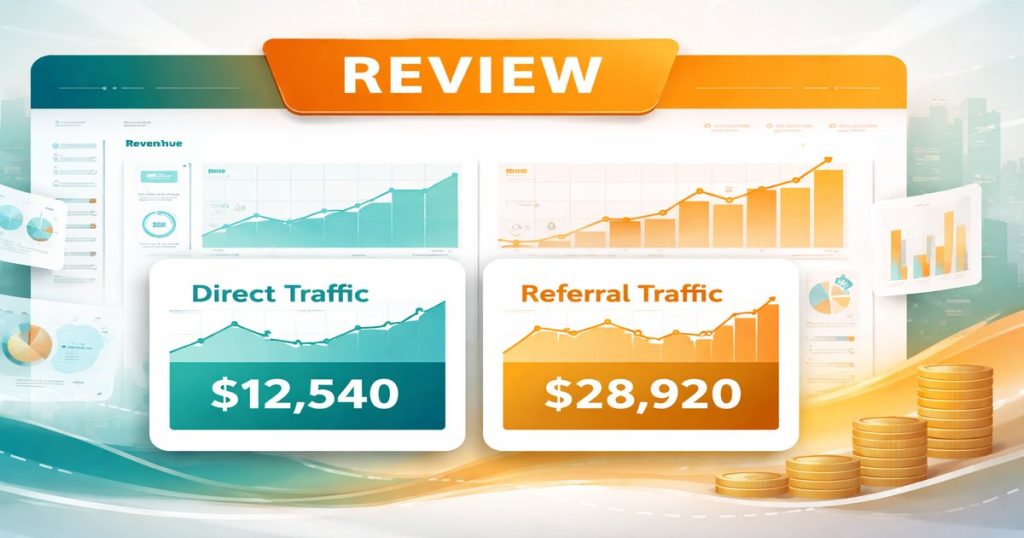
When evaluating website traffic, the lines between direct and referral traffic often blur, leading to misconceptions and flawed strategies. Misallocating value between these traffic types can skew performance analytics and derail your monetization strategy.
Mistake #1: Overvaluing Direct Traffic
Direct traffic is frequently overvalued as a loyal user segment, but it often includes miscategorized visits such as improperly tagged campaigns or traffic from bookmarks. This inflates its perceived value and can misguide monetization efforts. To fix this, conduct a thorough source audit using UTM parameters to correctly tag all incoming URLs. Employ tools like Google Tag Manager to consistently track campaign sources, ensuring data integrity. By correctly attributing traffic, you can better understand engagement metrics specific to authentic direct visits.
Mistake #2: Ignoring Referral Traffic Quality
Referral traffic is often judged by volume, overlooking its quality. Not all referral sources drive high-intent users. For instance, a high volume of traffic from a low-authority site may offer little value. Instead of focusing solely on quantity, assess referral traffic based on session duration, bounce rate, and conversion metrics. Leverage tools such as Ahrefs to evaluate the authority of referring domains. This will help you prioritize partnerships and campaigns with sites that deliver users who engage and convert.
Mistake #3: Misinterpreting the Source of Referral Traffic
Referral traffic might be misinterpreted due to lack of proper tracking, leading you to credit the wrong partner or campaign for conversions. Avoid this by using tools like campaign tracking links and referral path analysis in your analytics suite. For example, filter referral paths in Google Analytics to see exactly how users navigate to your site. Properly defining precise referral paths will allow you to identify high-value partnerships clearly.
Mistake #4: Overlooking the Impact of Dark Social on Direct Traffic
Dark social traffic, such as link shares through private messages or emails, often gets lumped under direct traffic, distorting its actual value. To mitigate this, utilize shortened URLs with trackable parameters in your content and social media shares. This will help segregate dark social from direct traffic and provide a more granular view of how your content spreads organically through private channels.
Mistake #5: Failing to Segment Traffic for Retargeting
A broad-brush approach to traffic segmentation leads to inefficient retargeting efforts. You might miss high-conversion potential within certain referral paths. To avoid this, create granular audience segments based on source details, such as grouping users who come from blogs vs. social media platforms. Use platforms like Google Ads and Facebook Ads Manager to tailor retargeting campaigns for these segments, optimizing your ad spend and boosting conversion rates by targeting users with personalized content.
Most common mistake: Overvaluing direct traffic due to poor source categorization.
Quick fix: Implement rigorous UTM tagging for all inbound links.
How to Get It Right
To accurately assess the value of direct versus referral traffic, implement a robust tracking and attribution framework. Start by ensuring every entry point to your site is tagged with UTM parameters, including organic social posts and emails that may otherwise default to direct traffic. Regularly audit your analytics platform to identify anomalies in traffic sources. Utilize analytics platforms like Google Analytics 4, which offers deeper insights and enhanced tracking capabilities. Segment audiences based on nuanced source data to tailor marketing and retargeting efforts effectively. Additionally, validate your referral partners by measuring key engagement metrics to ensure they provide quality traffic. By refining your analytics setup and focusing on traffic segmentation, you can better understand your traffic sources and their respective values.
What is the main difference between direct and referral traffic?
Direct traffic typically refers to users who visit your site by typing the URL directly into the browser or using a bookmark, whereas referral traffic comes through links on other websites.
Why is dark social a problem for traffic attribution?
Dark social traffic often appears as direct traffic in analytics due to shared links through private channels, leading to misattribution and underestimating the influence of social sharing.
How can UTM parameters improve traffic source accuracy?
UTM parameters allow you to append tracking details to URLs, providing precise attribution data about how users arrive at your site, thus enhancing traffic source accuracy and campaign tracking.