
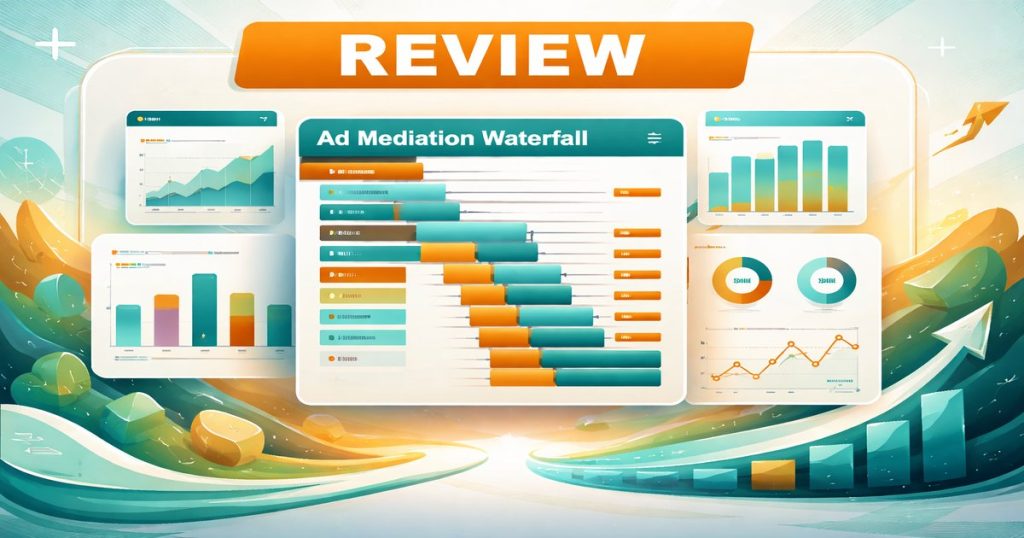
Ad mediation waterfalls can be a complex beast to manage effectively. Many publishers find themselves struggling with setup and optimization, often leaving substantial revenue on the table. Understanding the nuances of waterfall configurations is essential to maximizing yield.
Mistake #1: Overloading Your Waterfall
Including too many demand partners can lead to significant latency issues. Each call adds a delay, and when you have 30+ partners, it can severely impact user experience. A bloated waterfall might also lead to timeouts, meaning certain demand sources don’t even get a chance to fill impressions. The fix is to analyze the performance of each demand partner regularly. Retire underperformers and keep your waterfall lean and effective. Aim for a balance where you have enough partners to foster competition but not so many that you dilute the effectiveness of each call.
Mistake #2: Ignoring eCPM Thresholds
Many fail to set proper eCPM thresholds, resulting in suboptimal ad fill rates. Without tiered thresholds, lower-paying ad networks might take up impressions that could have been filled at higher rates. Adjust your eCPM floors dynamically based on historical performance data. Use A/B testing or other methods to gradually find the optimal floor settings that maximize both fill rates and revenue. Remember, an effective threshold strategy can dramatically increase your effective yield.
Mistake #3: Neglecting Data Freshness
Data drives every aspect of mediation optimization, yet some publishers rely on stale data to make decisions. Traffic patterns and ad performance can change rapidly, and using outdated data can lead to poor decision-making. Schedule regular audits and automate data collection processes to ensure you’re making decisions based on the latest information. Real-time dashboard tools can be critical for this purpose, offering immediate insights into performance trends and anomalies.
Mistake #4: Not Prioritizing High-Value Partners
Failing to prioritize high-value demand partners could mean missing out on higher bidding offers. Often, publishers resort to a first-come, first-served basis which might not be optimal for revenue. Prioritize your mediation stack by historical performance, considering both fill rates and revenue contribution. Positioning top performers at the top of your waterfall increases competition and helps ensure that the highest-paying impressions are filled first.
Mistake #5: Overlooking Latency Issues
Latency can kill your ad revenue by delaying ad loading times, leading users to abandon your site before the ads even render. If users have to wait more than a few seconds, they’re likely to bounce. Conduct speed tests and monitor load times regularly. Use asynchronous loading and optimize ad server responses to minimize latency. If a certain demand source is consistently slow, consider moving them lower in the waterfall or removing them altogether.
Most common mistake: Overloading Your Waterfall
Quick fix: Regularly audit and streamline your demand partners.
How to Get It Right
Creating an effective ad mediation waterfall requires a combination of strategic planning and constant optimization. Start by clearly defining your goals—whether it’s maximizing eCPM, improving fill rate, or minimizing latency. Perform regular audits of your demand stack, focusing on both historical data and real-time analytics to make informed decisions. Develop a hierarchy for your waterfall that prioritizes high-performing partners and adjust eCPM thresholds dynamically based on market conditions and historical performance. Use A/B testing to validate changes and refine your approach continuously. Also, leverage automated tools for real-time adjustments to ensure that your waterfall adapts to shifts in demand and inventory supply seamlessly.
What is the purpose of an ad mediation waterfall?
An ad mediation waterfall is designed to sequentially call different ad networks or demand sources to maximize yield and fill rates for available ad impressions.
How often should I review my mediation waterfall setup?
Ideally, review your waterfall setup at least monthly. However, weekly audits can be beneficial in fast-moving markets or during peak seasons.
Can automation tools help in managing ad mediation waterfalls?
Yes, automation tools can help optimize the waterfall in real-time, adjusting eCPM thresholds and demand partner priorities based on current performance metrics.